Four years ago, I had never heard of music therapy. Now, I can’t imagine doing anything else.
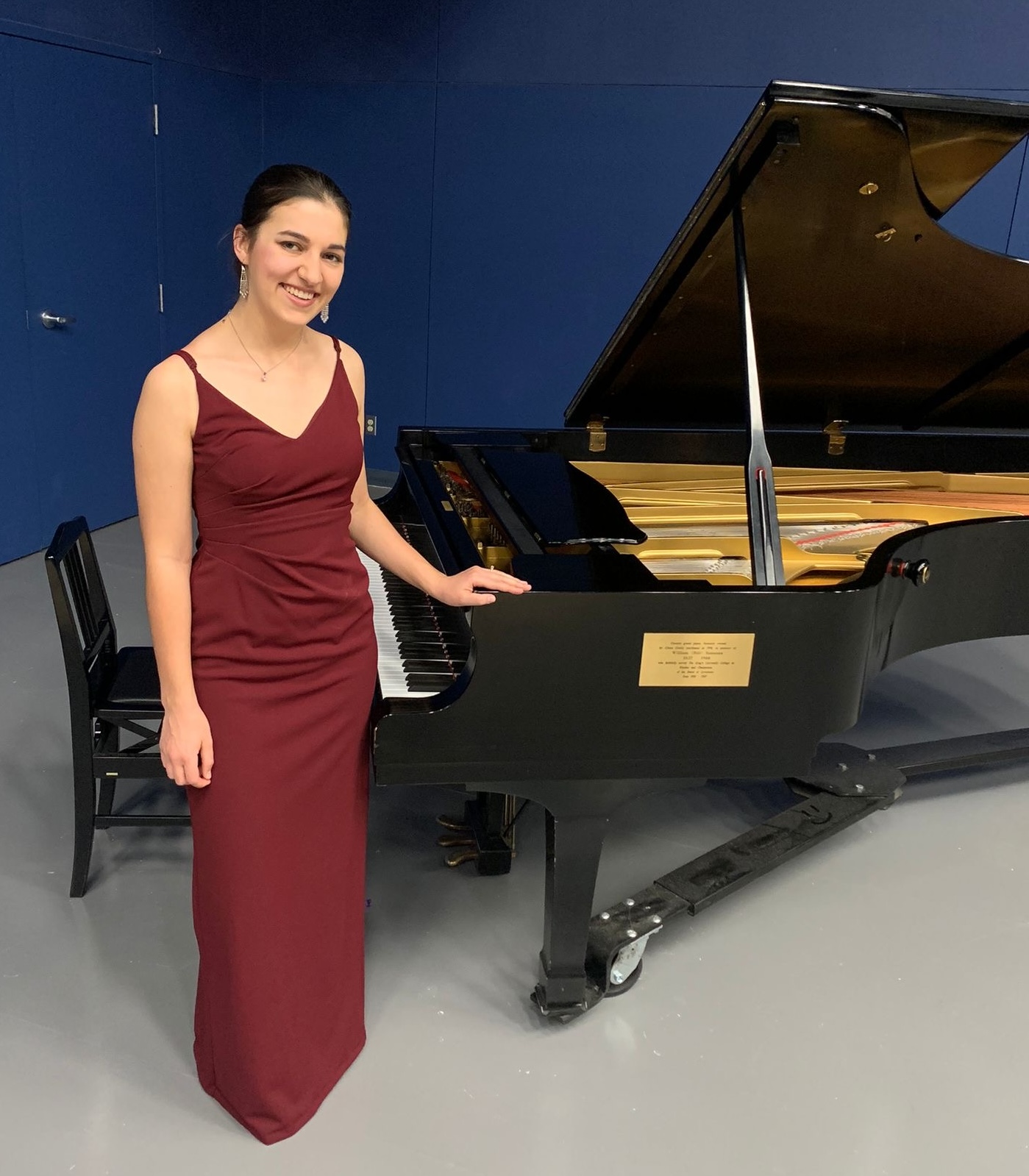
In the fall of 2017, I was heading into the last year of my Bachelor of Music in piano at King’s University in Edmonton, trying to figure out what to do afterwards. As I skimmed through a promotional brochure about what to do with a music degree, the words “music therapy” caught my eye. I was instantly intrigued. I remember phoning a music therapist to get more information. When I asked what a typical music therapy workday might look like, she replied with, “Well… it depends….” While I thought this answer was profoundly unhelpful in the moment, I’ve seen how true it is after studying music therapy at CMU.
Despite my previous research about music therapy, CMU’s program was more than I ever could have expected. Definitions of music therapy and course descriptions failed to show me how difficult, rewarding, diverse, and fulfilling it would be to study music therapy at CMU. Therefore, to anyone curious about music therapy or considering CMU’s program, I offer four insights into what this transformative experience is actually like.
1. It is a lot of work
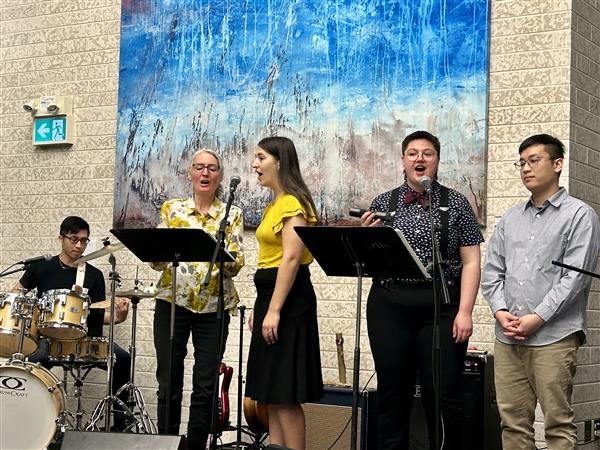
If you are planning to study music therapy, brace yourself. To be admitted to the program, you need proficiency in piano, voice, guitar, and percussion. However, once you’re admitted, the work just continues. I spent countless hours practicing music for lessons and performances, learning songs for practicum (I learned to sing and play almost 100 songs in this past school year alone!), finding and sometimes composing music for use in sessions, and rehearsing for group performances. This past semester, we divided into bands for a Music Therapy Coffeehouse, in which students switched instruments between songs to showcase their different skills.
In addition to making music, there is other knowledge to be learned. Part of what sets music therapists apart from performers are their clinical skills to select appropriate music for the client’s needs and facilitate sessions effectively. To develop these skills, music therapy students take psychology courses, music therapy methods, and much to the dismay of many students, anatomy and physiology. Furthermore, music therapy is an evidenced-based profession, meaning that for every population I worked with during my studies, I had to first write a research paper about which music therapy methods had proven effective for that clientele.
2. It is incredibly rich and fulfilling
Although any potential music therapy students might be reconsidering after my first point, let me reassure you that this hard work is all worth it. My experience in the music therapy program was rich beyond measure. Rich in what way, you may ask? Well… it depends…
Some days our classes were rich in play. Whether it was trying to play a drum based on how a basketball was bounced or collaboratively writing a blues song about our end-of-semester stress, we often shared the joys of making music together, laughing until our bellies ached and tears streamed from our eyes.
Other classes were rich with different emotions. The bonds we built as a class created space for people to share their struggles, burdens, and tears. There were stories shared, hugs exchanged, and Kleenexes blown as individuals opened up about their lives or responded to musical interventions.
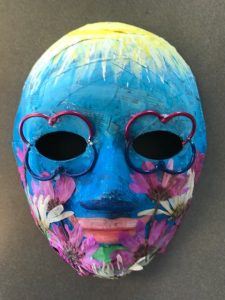
My studies were also rich in reflection. As students, we were constantly encouraged to take stock of ourselves and monitor our own responses. Sometimes we reflected artistically, through drawing, improvisation, or mask-making. Other times, we wrote reflection paper after reflection paper.
There was also incredible richness and fulfillment in working with clients. Every music therapy student does three practicum placements, plus a longer internship at the end of their degree. In each of these practicums, I was touched as I got to know my clients and see the ways music impacted their lives. Sometimes clients told me how much they valued music therapy, but often it was a simple look or gesture that showed me I was making a difference.
3. It is experience-based
These practicums were incredibly formative for me. When I asked a question in class about what to do in a situation, I was often met with, “Well… it depends.” Since every individual is unique in their own way, there is no way to know how a person will respond to a therapeutic intervention until you do it with them. Hands-on learning gave me a chance to work with real people and let me learn from music therapists with a range of experiences. I had the privilege to learn from six different music therapists, including my professors, throughout my degree, and I’m looking forward to working with two more in my upcoming internship. Because music therapy is such a broad field, this range of experiences helped equip me for wherever I end up in the future.
While my studies helped me build confidence in the role of the therapist, they also let me experience the role of the client. Classmates often led interventions for each other, and being on the receiving end helped me understand the client’s perspective. In this role, I discovered how vulnerable it is to sing in front of a group, and learned that things that appear “too simple” as a leader are often still immensely valuable as a participant.
4. It is a community like no other
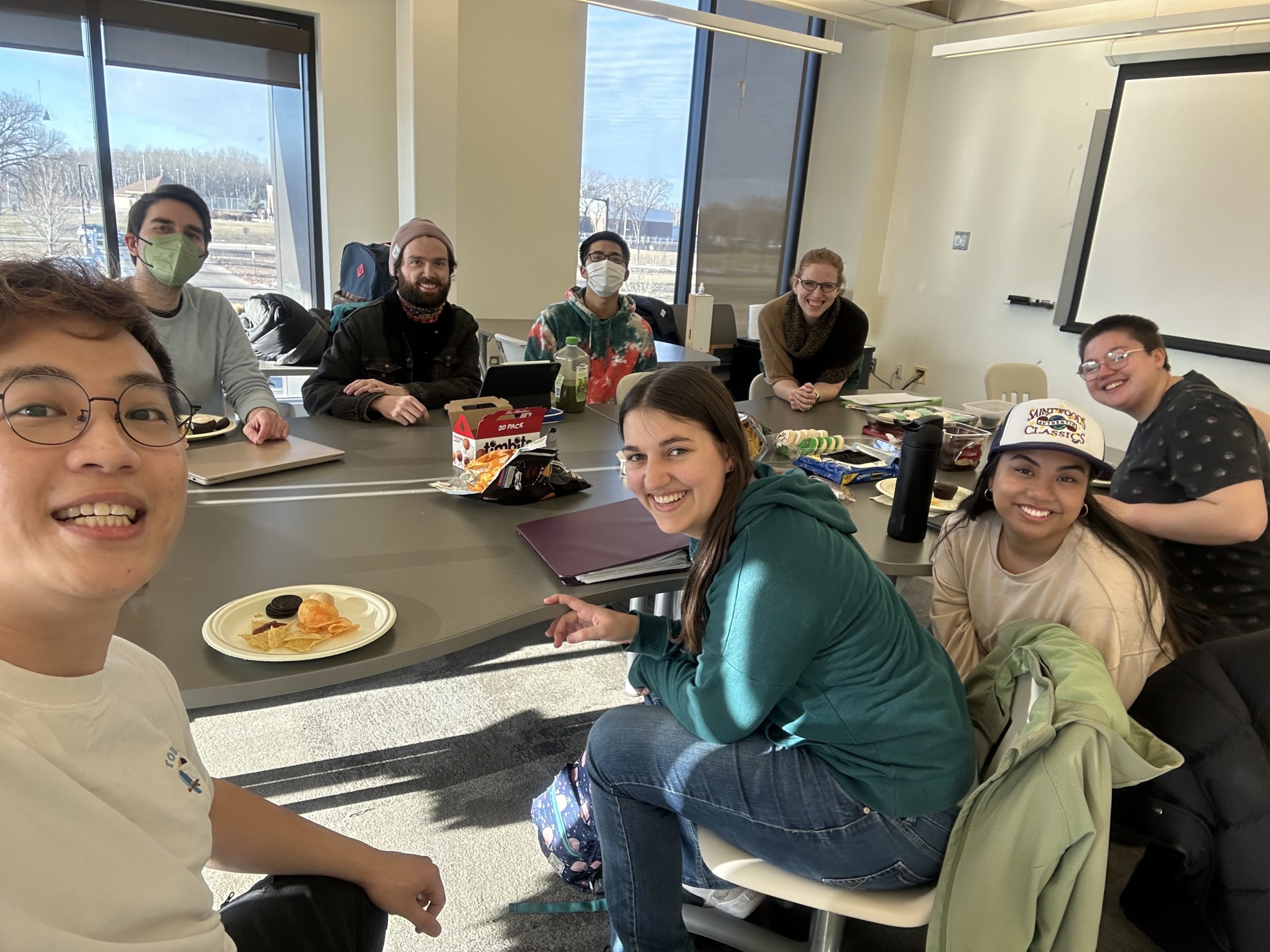
Because there are so few music therapy programs in Canada, CMU’s program attracts people from a wide variety of places, both within Canada and beyond. This meant that our cohort had a range of ages, backgrounds, and experiences. However, it is the most accepting group I have ever been in.
I felt I could bring my authentic self and share my honest feelings, knowing I would be seen and supported. I am so privileged to have such an incredible group around me, and our activities outside of class are a testament to these connections. I have watched my peers’ concerts, attended the wedding social of a classmate, organized a group potluck, shared about non-school related things in our group chat, and made plans to attend a songwriting group with several peers. While there are so many amazing things about CMU’s music therapy program, it would not have been the same without this incredible group of people.
So, if you were to ask me, was studying music therapy at CMU the right choice? Well… yes.
Kaija Feldbusch is currently completing her 1000-hour music therapy internship, the final requirement for her Bachelor of Music Therapy.