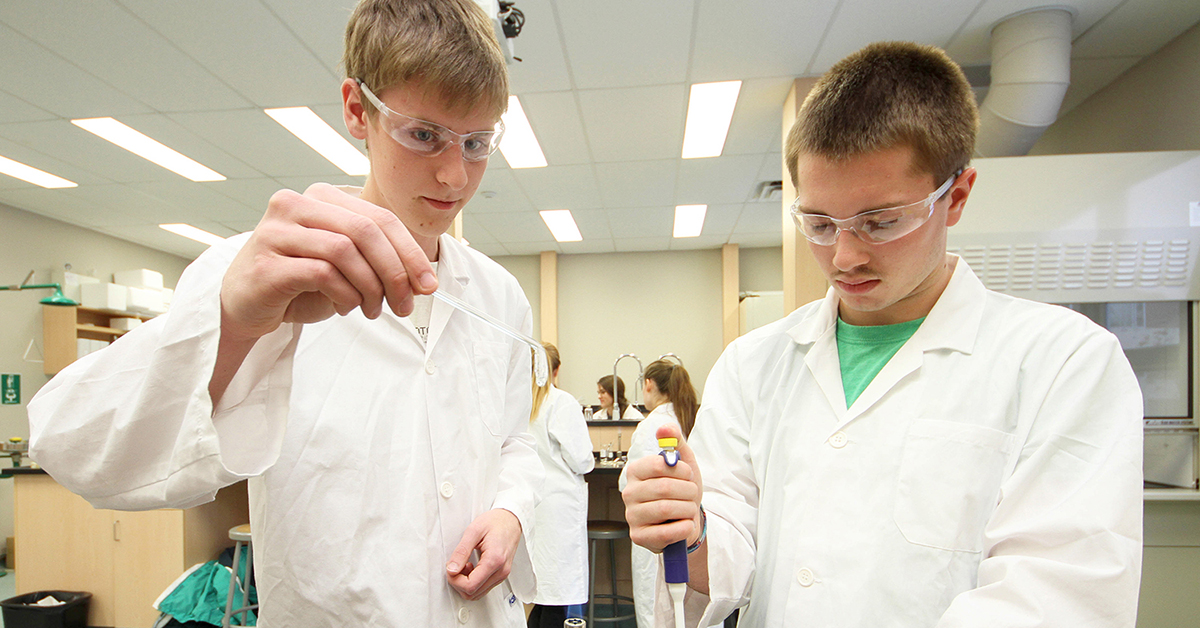
The first thing you learn in a science degree is that there’s a lot you didn’t know that you didn’t know. In my opinion, that’s one of the best parts, and the science faculty at CMU are there for support along the way. Nevertheless, here are a few things that I wish I knew before beginning my science degree at CMU, so you can start yours with a bit more curiosity and confidence.
1. Science is about curiosity and creativity, not just memorization
Before I started my degree, I assumed success in undergraduate science meant perfectly recalling concepts like the citric acid cycle. Memorization matters (and yes, science students do have to memorize the citric acid cycle), but it’s only a small part of actually “doing science.” At CMU, professors emphasize building scientific literacy: the ability to read and understand scientific research, design experiments, and solve problems creatively. Throughout my coursework, I have learned to sift through complex scientific papers, write literature reviews, and draft research papers based on original research. I had the opportunity to apply these skills during my Work-Integrated Learning placement at the Children’s Hospital Research Institute of Manitoba, in the Healthy Smile Happy Child lab. There, I helped their team collect data from parents about their children’s oral health, assisted with dental screenings, and collaborated on a research paper alongside dentists and post-graduate researchers.
2. You have to write a lot!
In order to “do” science, you must be able to write about it. Research papers are how scientists share discoveries and allow others to replicate studies, and learning how to do this starts in undergrad. Scientific writing, like creativity, is a skill to develop. It is a foundation of science communication. Whether you go on to work in research, healthcare, education, or any field where you need to make technical and scientific information understandable, strong writing skills are at the core. The emphasis CMU places on clear, evidence-based scientific writing has given me a foundation I hope to use in dentistry, whether I am contributing to research or explaining treatment plans to patients.
3. Asking professors about their research is a great way to learn
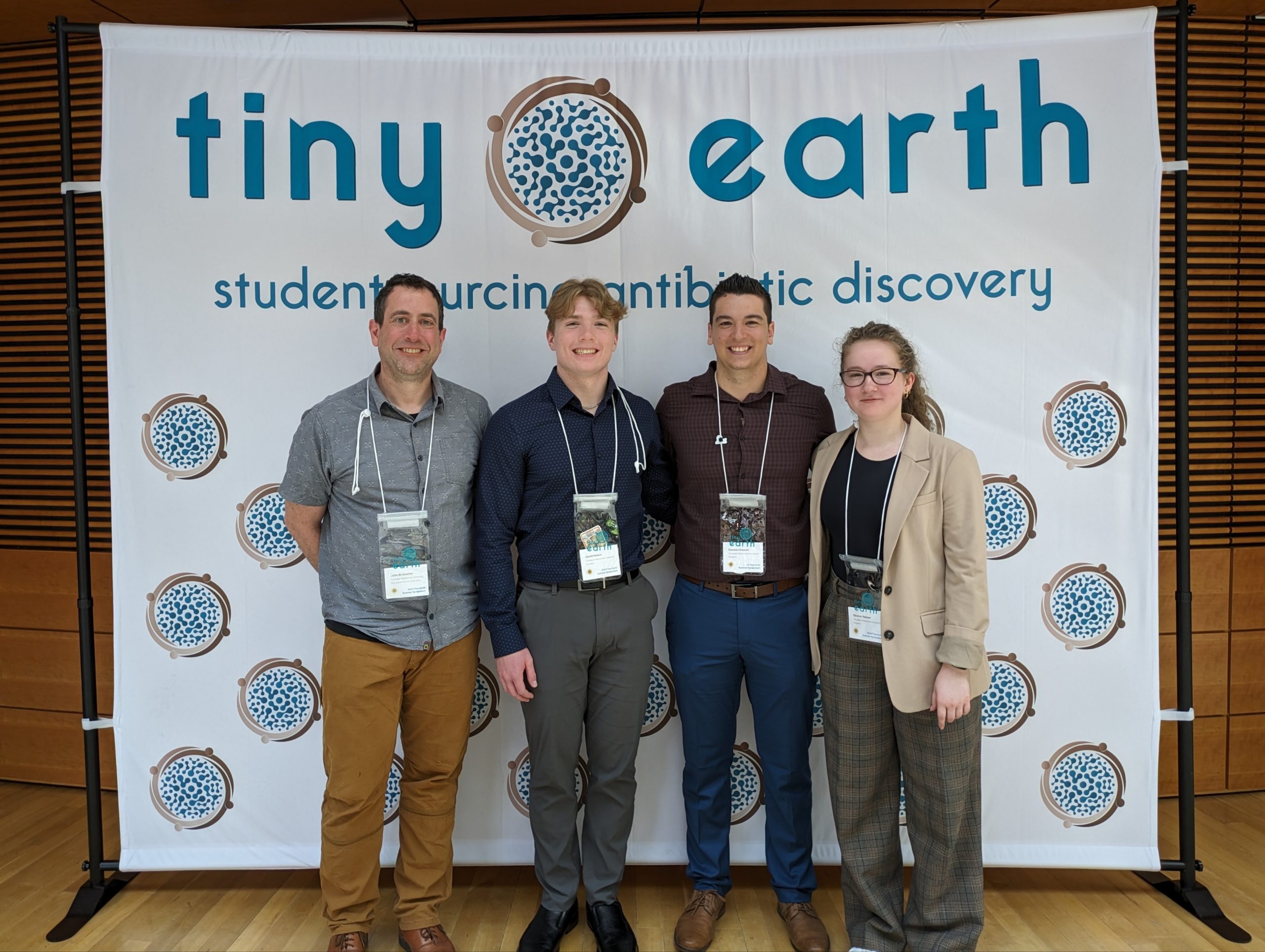
Professors at CMU love to talk to students about their research and their enthusiasm is contagious. Sitting down to have a conversation with someone about their graduate and post-graduate experience is a great way to figure out if it’s the right choice for you. CMU professors also have valuable networks. They are willing to connect students with people and opportunities related to student interests. This a great way to build your own connections, discover new career opportunities, or even just meet new people and chat about cool science topics. My first independent study came about because I was intrigued by a lab project in my microbiology course and asked my professor how I could dig deeper. Thanks to his and CMU’s emphasis on mentorship, I got to turn that curiosity into hands-on research, all because I asked a professor some questions. Which leads me to my next point!
4. An independent study is a great way to explore your interests, and worth the hard work!
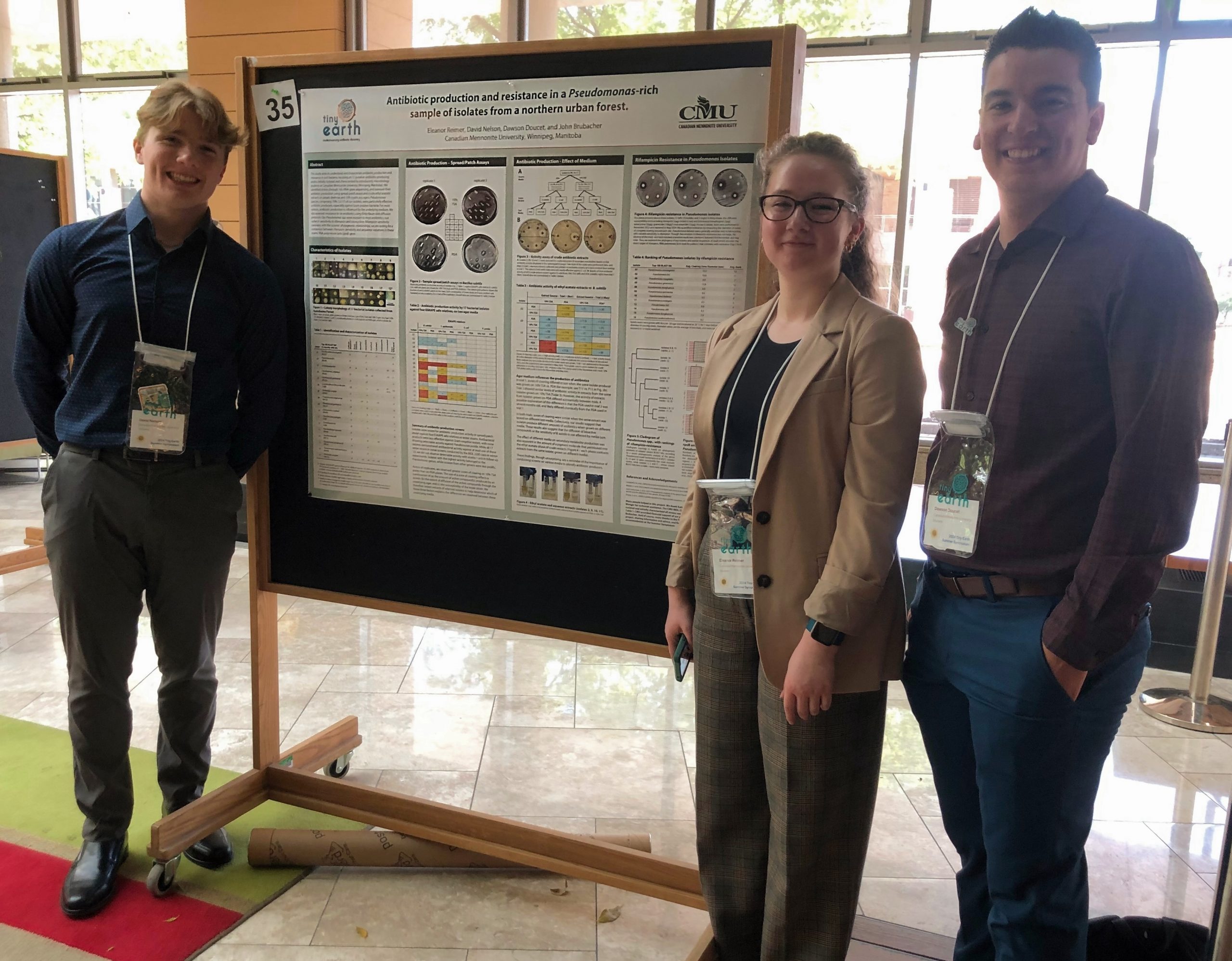
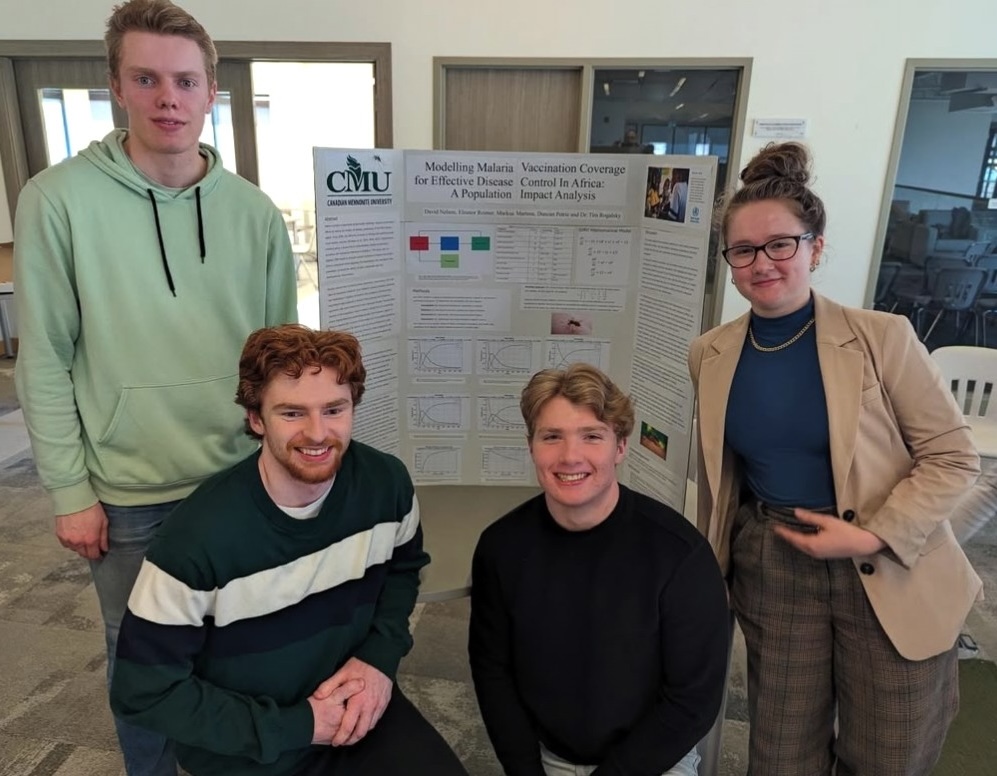
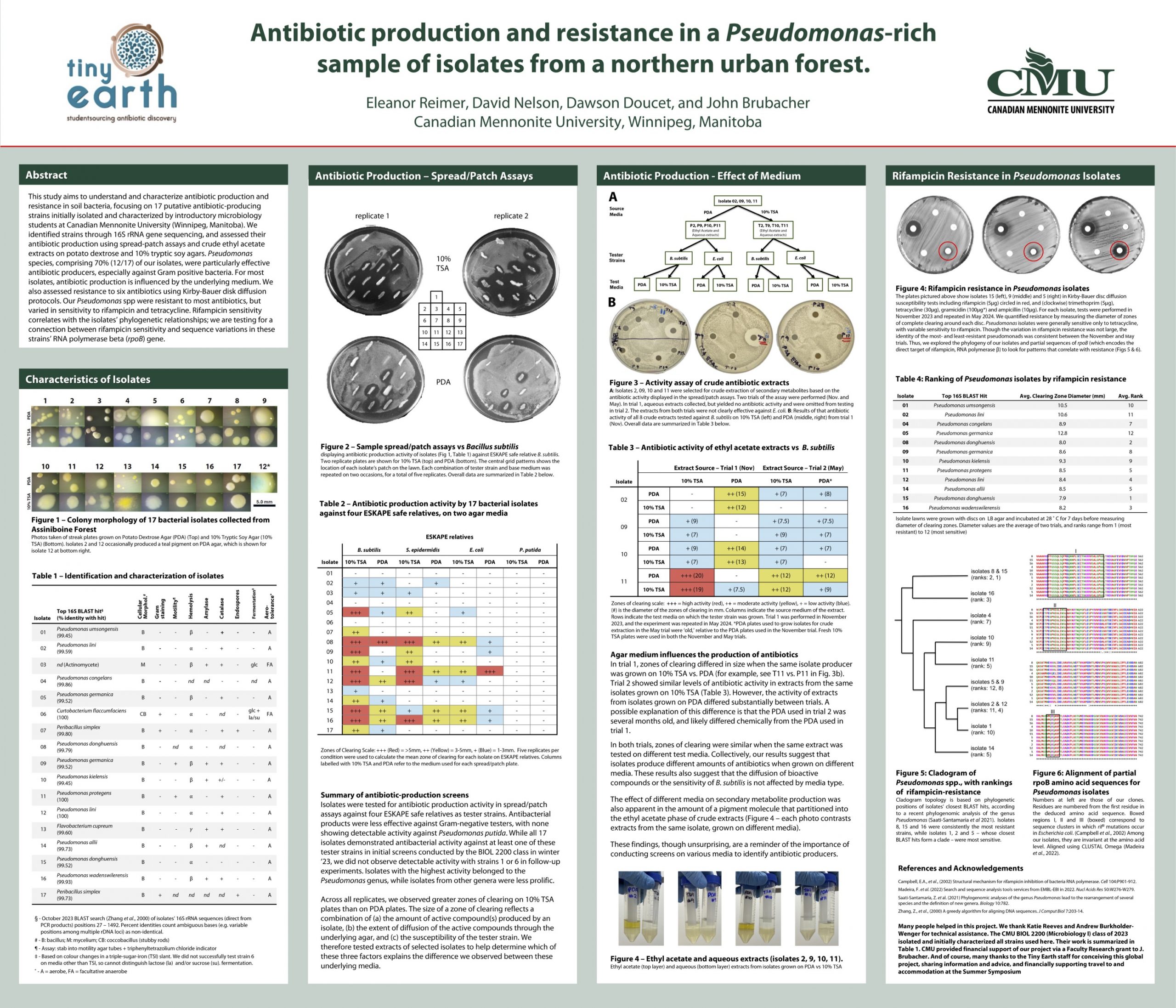
One of the most rewarding parts of my degree was my independent study experience. In an independent study, you can propose a research project to a professor based on your interests and their area of expertise, kind of like a mini thesis project. In my first independent study, I researched antibiotic resistance in soil bacteria, alongside two friends. I gained new hands-on lab experience, even working on my own at times. This helped build my confidence in the lab and because I was doing original research, it gave me a glimpse into what research science as part of a career would look like. This project culminated in a presentation with some fellow students at the Tiny Earth Summer Symposium, a scientific conference held yearly in Madison, Wisconsin.
Not knowing these things in advance didn’t diminish my experience studying science at CMU. Everyone’s path through their degree looks a little different, and the challenge of not knowing everything beforehand is part of the university experience. My hope is that any future students reading this feel a little more prepared, but mostly excited about what science at CMU has to offer.
Eleanor Reimer is a fourth-year Bachelor of Science student, majoring in Biology.
 t two years, I have been enrolled in the