
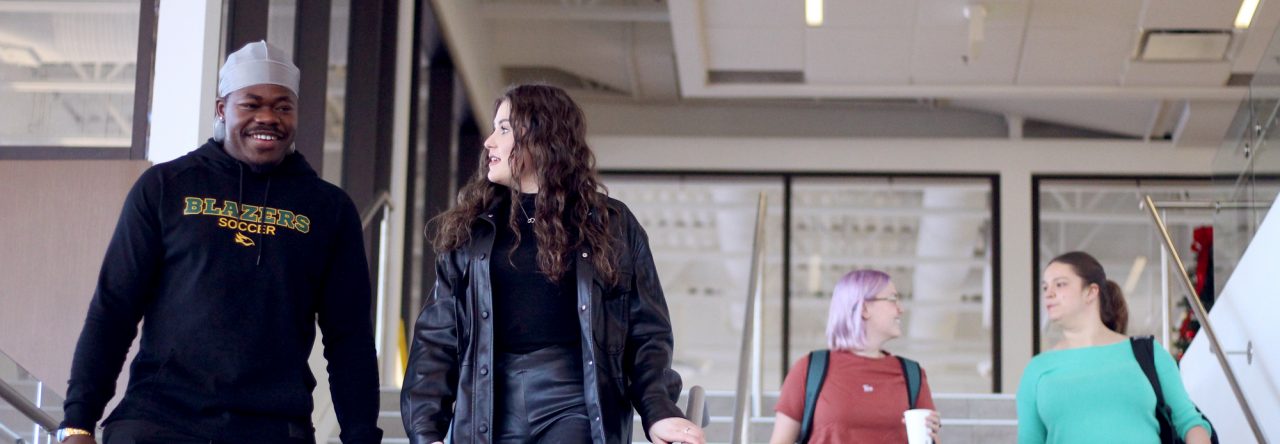
 As the end of the school year becomes a reality, those of us like myself who are graduating from CMU in April have begun to reflect more and more on our time here. Now I know for myself that we often talk a lot about the great things that we experienced during our years at university: the community, the mentorship that develops between professors and students, the classes and classmates that made our days here so memorable. But as my time as a student at CMU draws to a close I have begun to ask a new question: what will I take away from my time here? How have these experiences shaped me into the person I am as a transition from the life of a student to one of a full-fledged grown-up in the “real world” of post-university adulthood? The answer has found its way to me under three ways: learning to live outside your box, thinking and living bigger, and coming into your own.
Author: Student Ambassador Page 42 of 44
I don’t really like getting up at 7:30 AM snoozing until 8:00, forcing myself into a shower, propelling myself to a hastily eaten breakfast, and then speedwalking to my 8:30 class. But as soon as Professor John Brubacher opens his mouth, I am content.
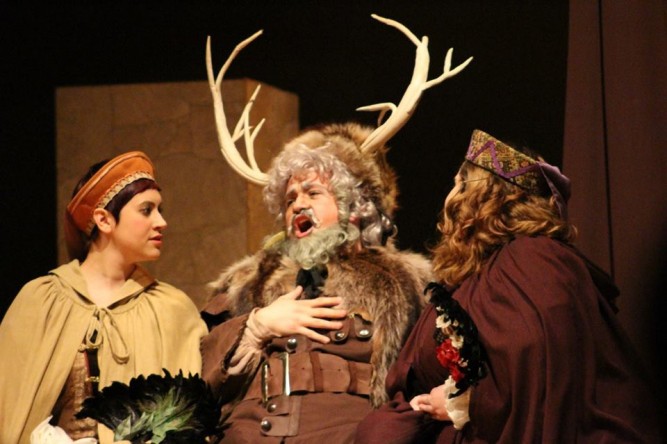
CMU’s Music department is one of its strongest faculties, and even if you’re not in it, you can tell. Music permeates CMU culture. The university’s choirs, which are open to students of all programs, are always full. The weekly recitals given by students taking independent applied music studies, say in voice or piano or saxophone, are always well attended by students of every bent. We sing in Chapel, we sing at Wednesday Night Worship, our student body comprises dozens of independent little bands and singer-songwriter acts that play regular gigs both locally and inter-provincially.
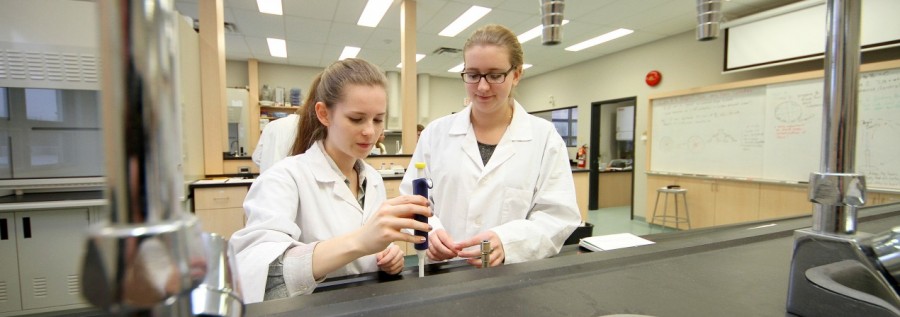
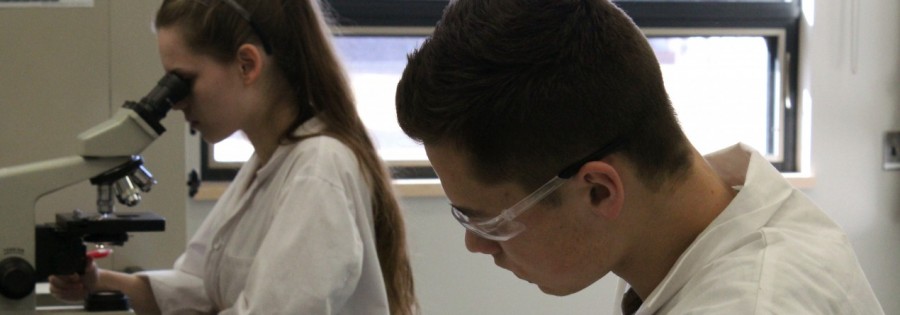
 In February, CMU had the privilege of hosting Dr. Henry Janzen, a research scientist in soil biochemistry at the Agriculture and Agri-Food Canada research centre in Lethbridge, Alberta. His studies focus on how different farming techniques impact prairie ecosystems. His extensive research in nitrogen and carbon flows allows him to work on and participate in reports of the Intergovernmental Panel on Climate Change. Recently Dr. Janzen has expanded his field of study to include socio-ecological issues, which include finding ways to create sustainable farming methods which encourage biodiversity, allow the conversation of soils, the wise use of energy, and creating a harmonious community.

My name is Beth Downey. I’m a third-year English student and I started volunteering for Peer Assisted Learning (PAL), CMU’s volunteer tutoring program, in my first year. PAL gets most all of its volunteers by gathering recommendations from faculty; you’ll understand why when I say that I might never have joined up if I hadn’t found out that one of my English professors recommended me. I would have assumed I needed to be older, more experienced, more advanced. And looking back, I would have missed out.